 It's hard to know where to start with this blog about Borneo. Of all the places I've been to in the world so far, I'm not sure any have captivated me in the same way. And of course just calling it 'Borneo' is a misnomer- there are 3 main parts to this, the 3rd largest island in the world. There's Indonesian Borneo, the Kingdom of Brunei and Malaysian Borneo which in turn is made up of 2 Malay States- Sabah and Sarawak. Our tour was based in Sabah and we really got to know the culture and people of this land in a special and authentic way over our 2 tours in April in May.
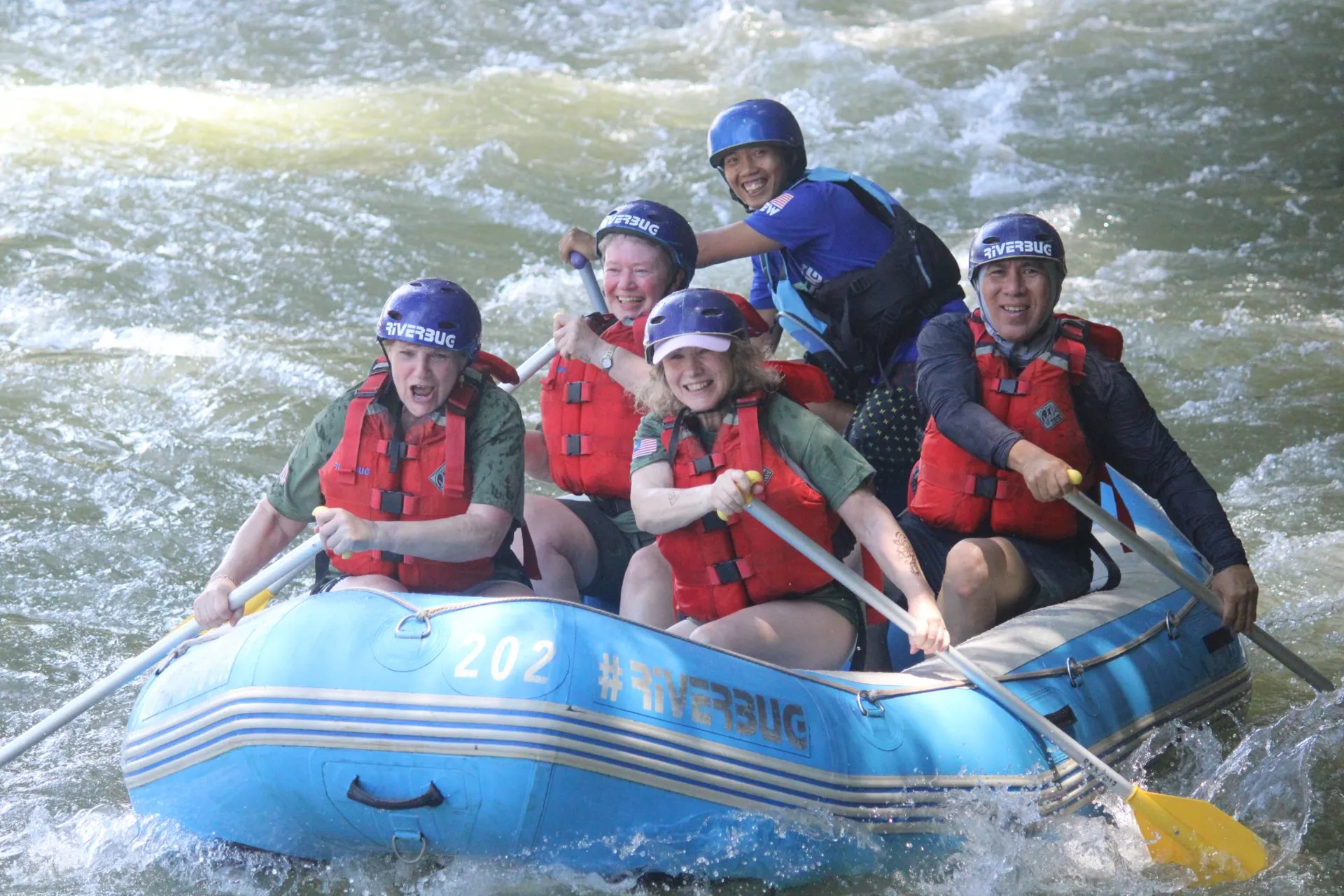
The tour starts in Kota Kinabalu, capital city of Sabah. We were each picked up and taken to our hotel by the truly lovely Albert Aseh, our EVA partner over there. Albert was generous, kind and welcoming during our entire stay even when it was just a matter of keeping in touch every day by WhatsApp. Not photo circle, that proved a step too far for our Albert! On Day 1, we were whisked off to a floating Clubhouse beside Gaya Island where we spent the best part of the day relaxing, getting to know one another and enjoying some amazing water-based activities like ocean floor walking, snorkelling, parasailing, jet skiing and plain old swimming. It was a great way to start to get to know each other and set the tone for each of the trips- a beautiful blend of adventure, activity and friendship. Over the next few days we explored around KK including our visit to the Aura Nursery School, the Mari Mari Cultural Centre and a city tour to visit the floating Mosque.
It wouldn't be possible to go into each and every thread of this story in detail but I will mention the Mari Mari Centre in particular. For someone like me with no real idea about the story of Borneo before I got there, I found the cultural centre utterly fascinating. The notion of Tribes is not incidental, each native person here belongs to a Tribe and follows the customs and traditions of their tribe. Well except the Murut tribe who were made stop headhunting in the 1950s (allegedly stopped). Unlike Samosir in Sumatra, the tribe were not cannibals- heads were collected to warn invaders what could happen to them if they trespassed. And if you wanted to woo a bride, the more heads you had the more impressive a warrior you were and therefore more likely to get the girl of your dreams. Not exactly my idea of romantic, but that's how it goes! Going to the centre gave us all an idea of what we were seeing and were able to recognise certain tribes by their style of dress or behaviours.
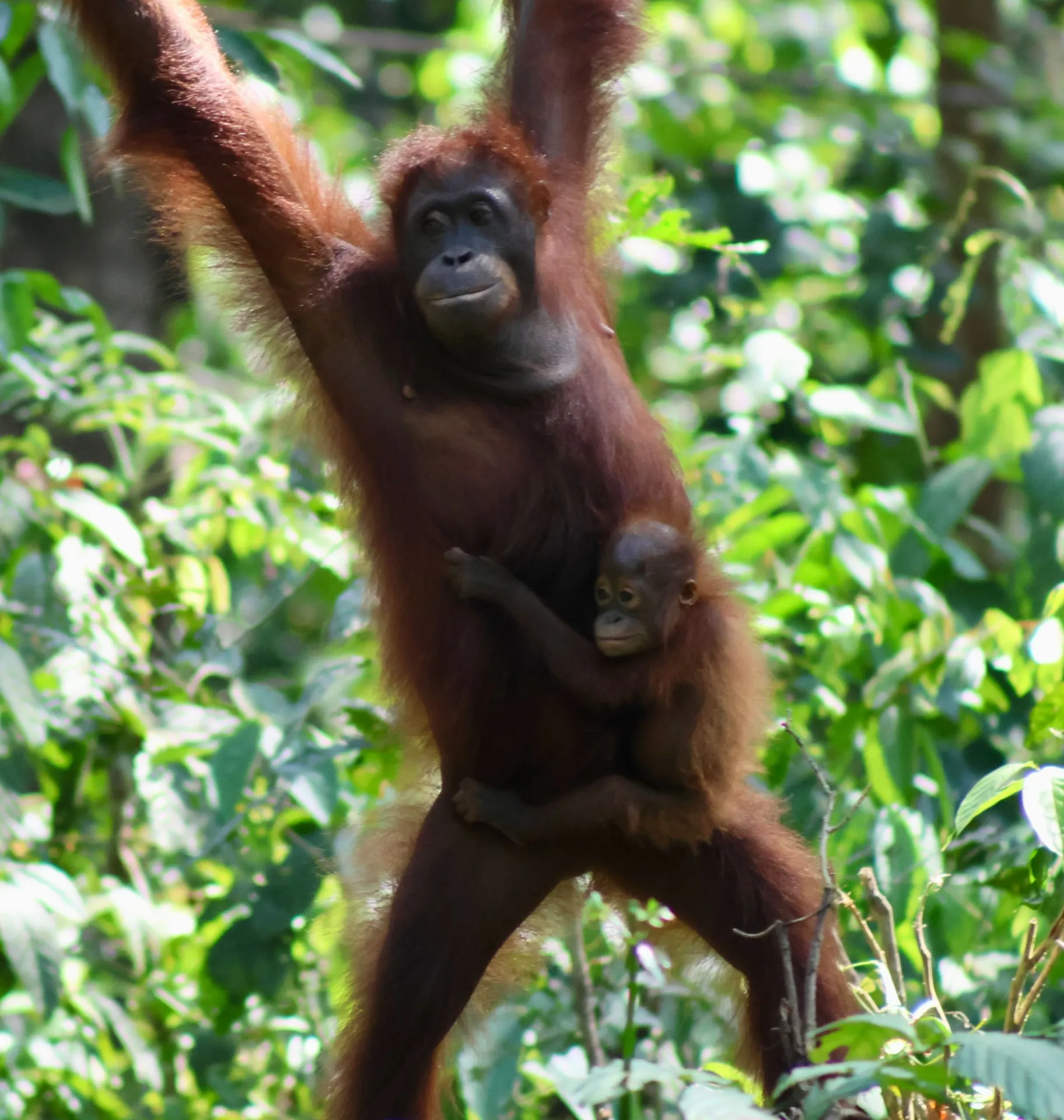
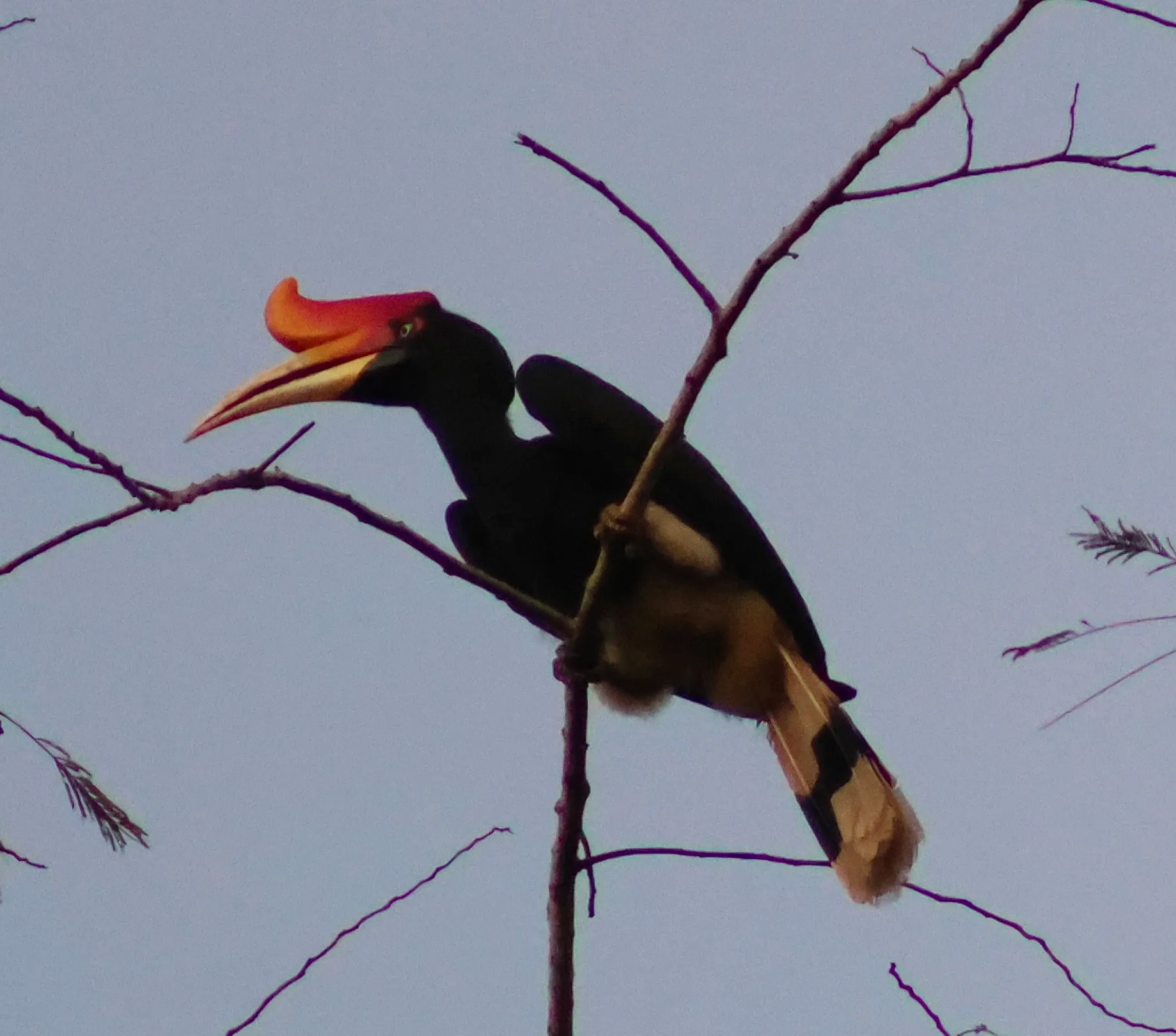
Once we left Kota Kinabalu, each group had a different first stop. For April it was Tabin Forest Reserve where we stayed in cabins perched on a river bank and were able to watch wildlife literally on our doorstep. We saw a herd of wild elephants one of the days, a real treat. And of course hornbills. Many many hornbills. Actually there are 8 species in Sabah and we were able to spot 7 of them on our tour. They mate for life so if you see one, you see two unless its a widowed hornbill. The April group also got to see all 5 species of Bornean primates in the wild- proboscis monkey, gibbons, orangutan, red leaf monkey and pig tail macaque. We also saw tarsier, slow loris, silver leaf monkeys and albino leaf monkeys. But it's not like an African safari, you have to work a little harder to do your spotting but the excitement is real when you see these guys in the wild.
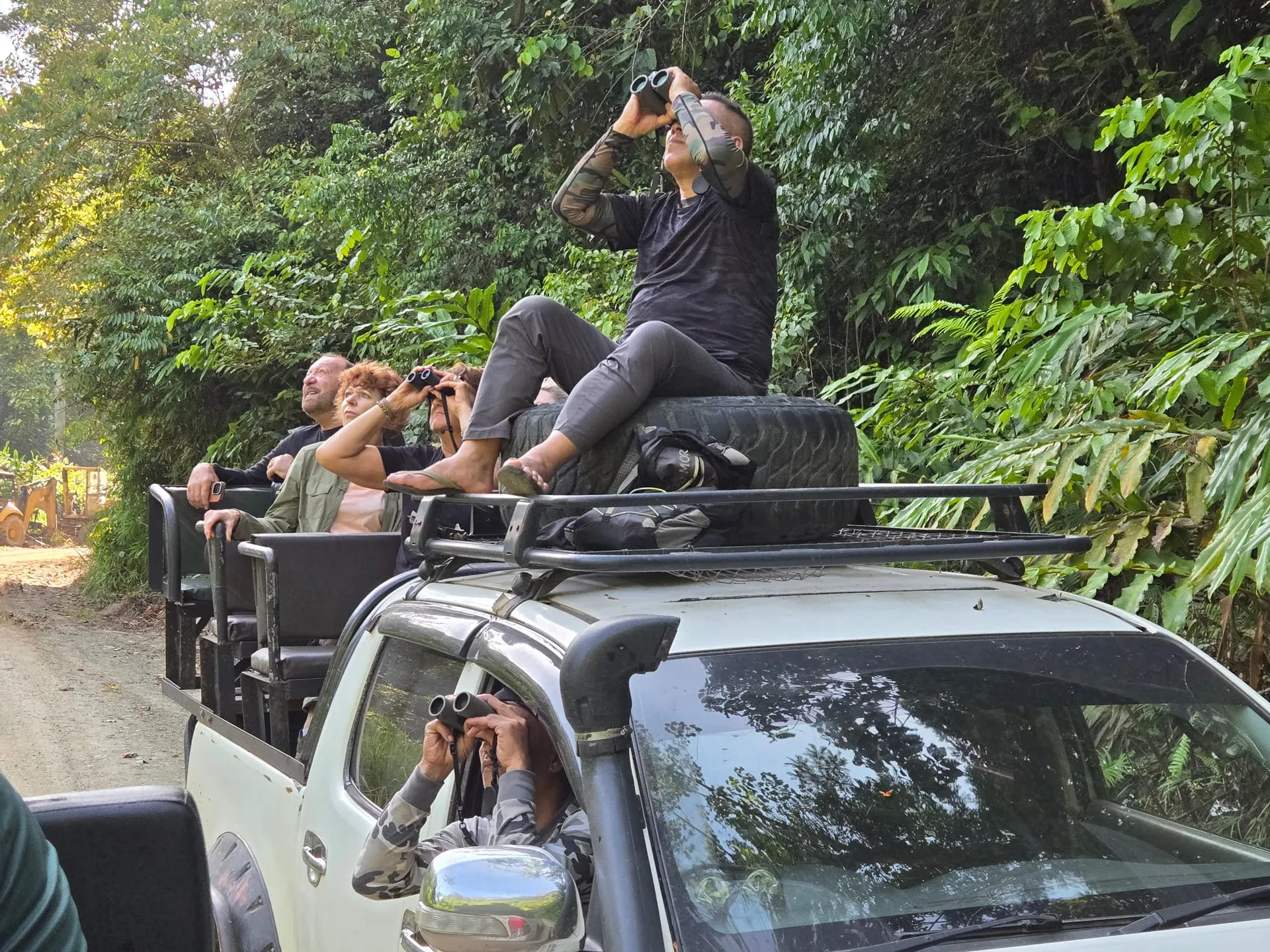
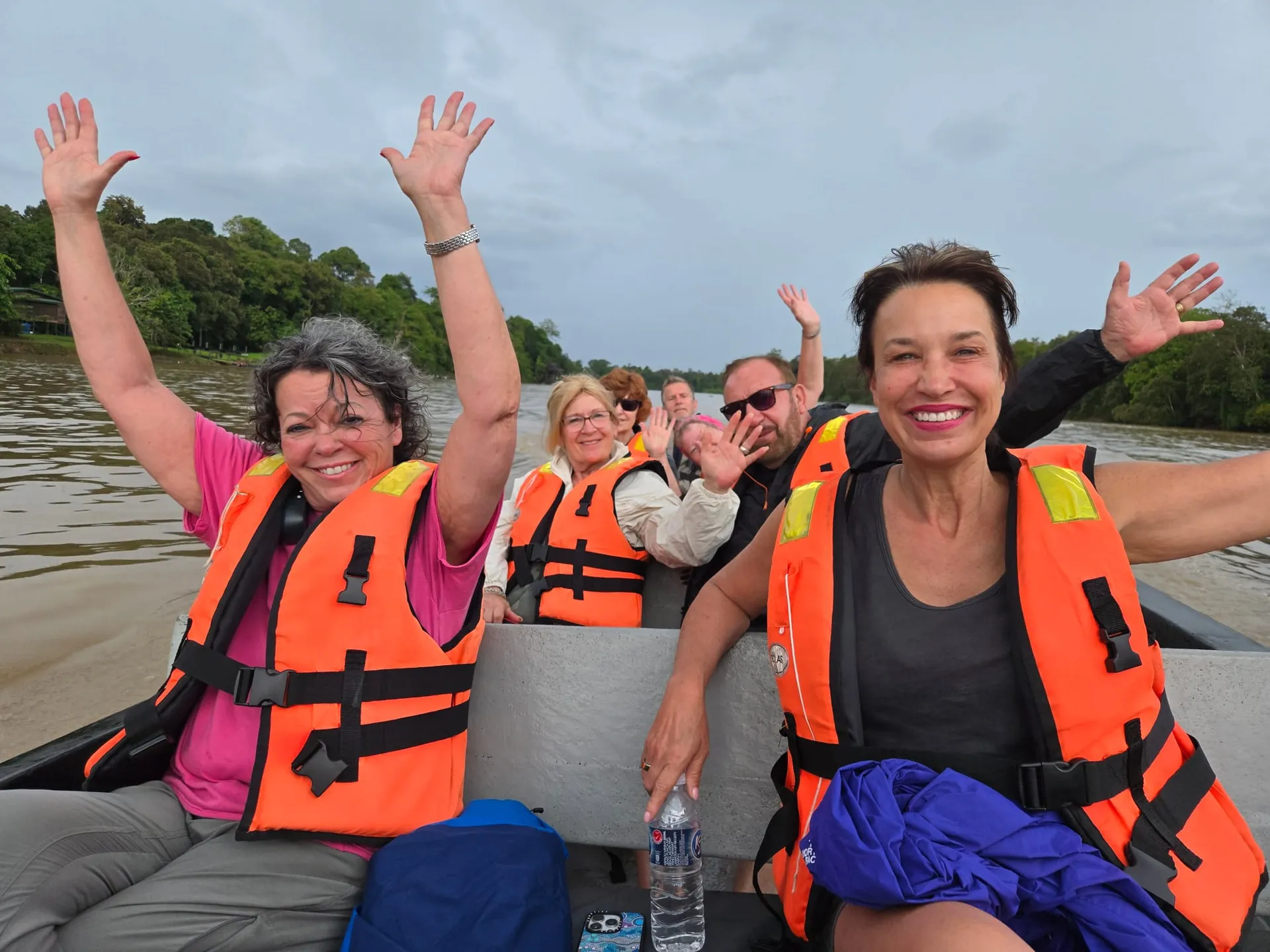
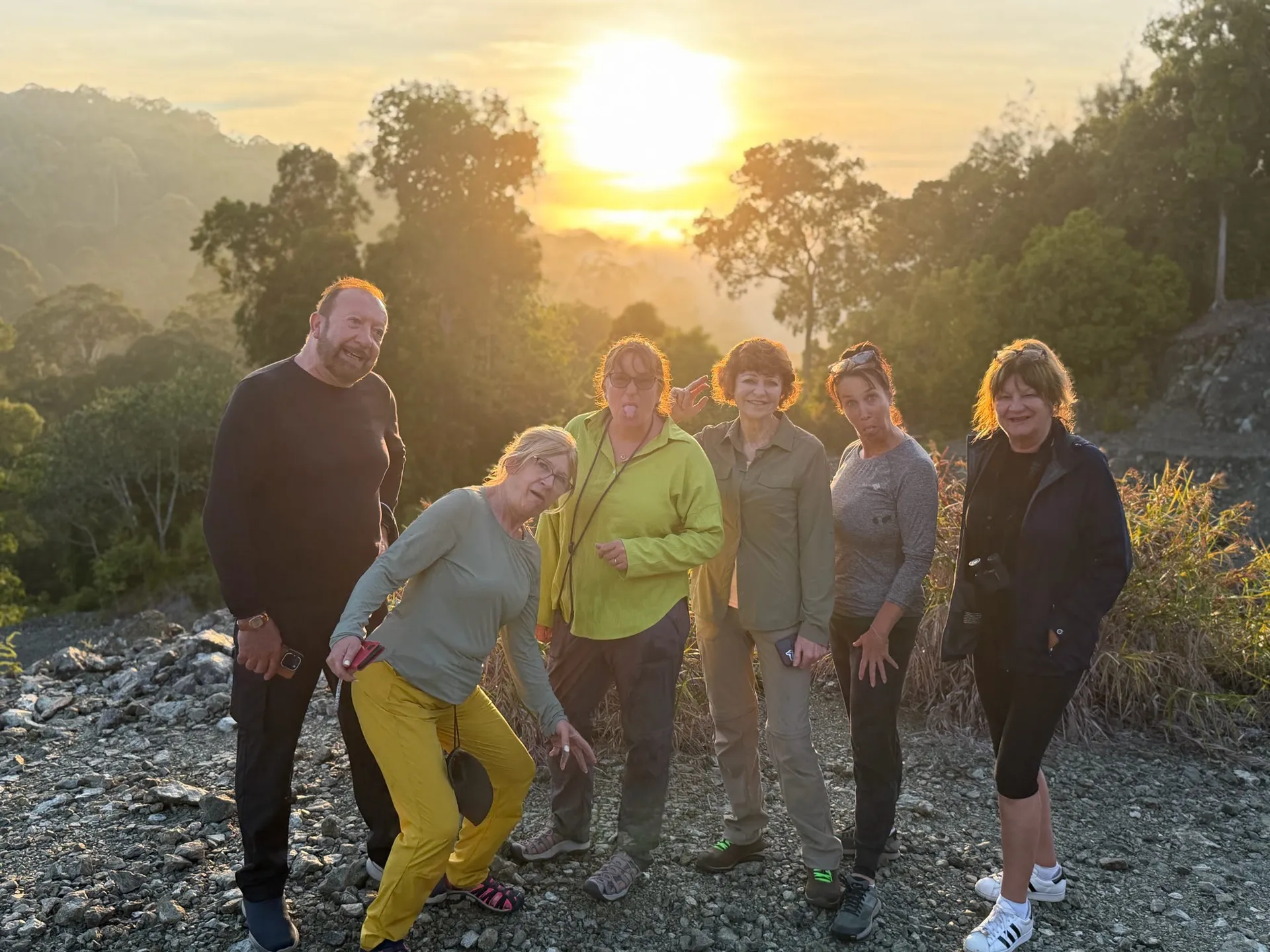
The May group took the long way around and went first to Mount Kinabalu where we got a brief glimpse of Borneo's highest mountain. We spent 2 nights in Deramakot which is hailed globally as a model rainforest. The Forest Park covers an area of 105 hectares and is home to elephants, wild cattle, hornbills, orangutan, gibbons and any number of other wildlife. We were slightly unlucky during our stay as the orangutan decided not to come and play but so many other aspects of Deramakot made up for this. Only 24 people are allowed to stay there each night so it really is quite special and one of the advantages of partnering with Albert Aseh and John Bakar who have been deeply involved in the conservation efforts in Sabah for decades. One of my fondest memories is the dawn drive- up at 4am for a drive through the Forest arriving as dawn was breaking and the mist was forming over the forest. We stopped to take in the view and were treated to banana fritters deep fried right there and fresh coffee. The group in the photo may not have had their coffee at that stage!
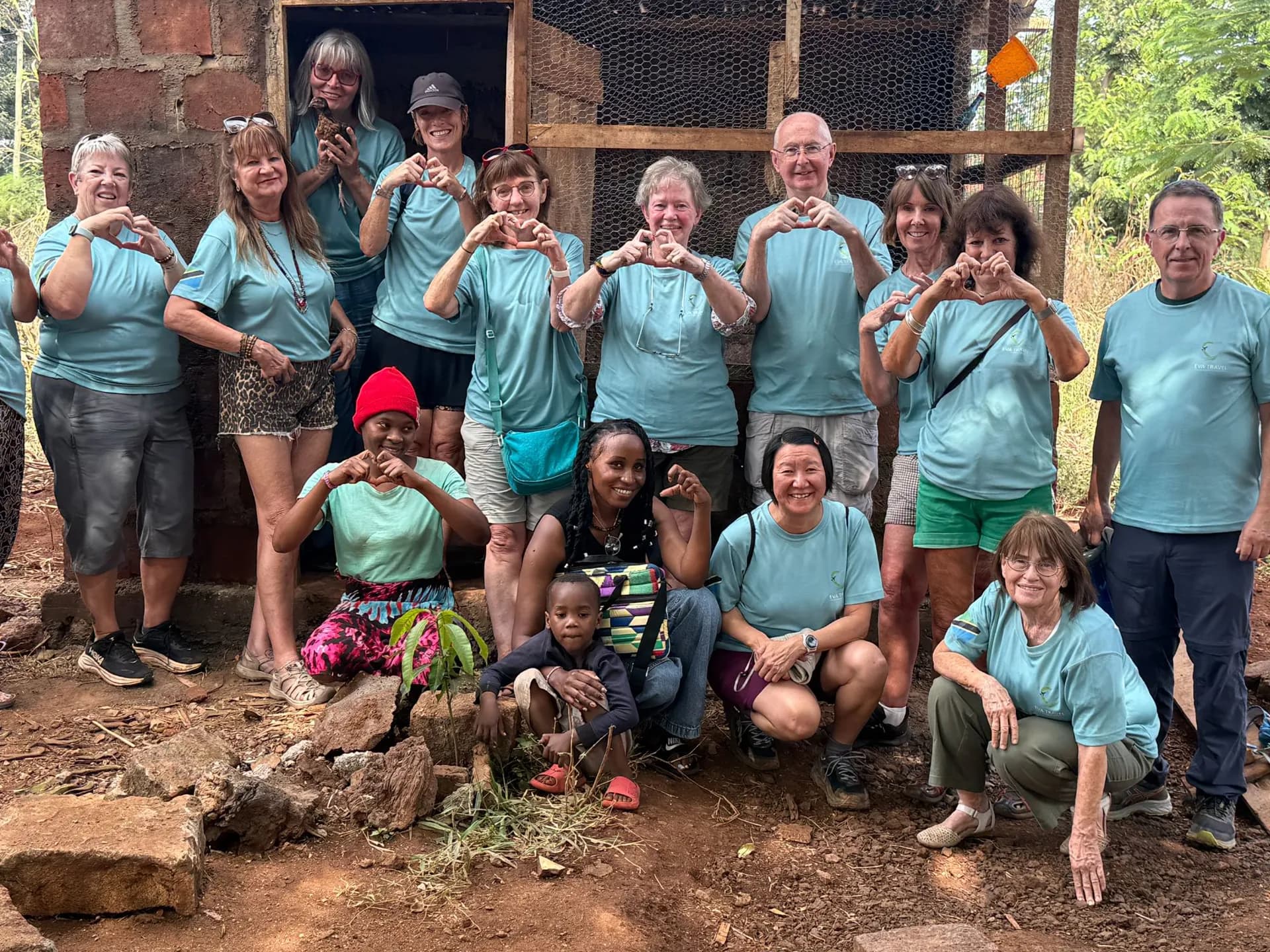
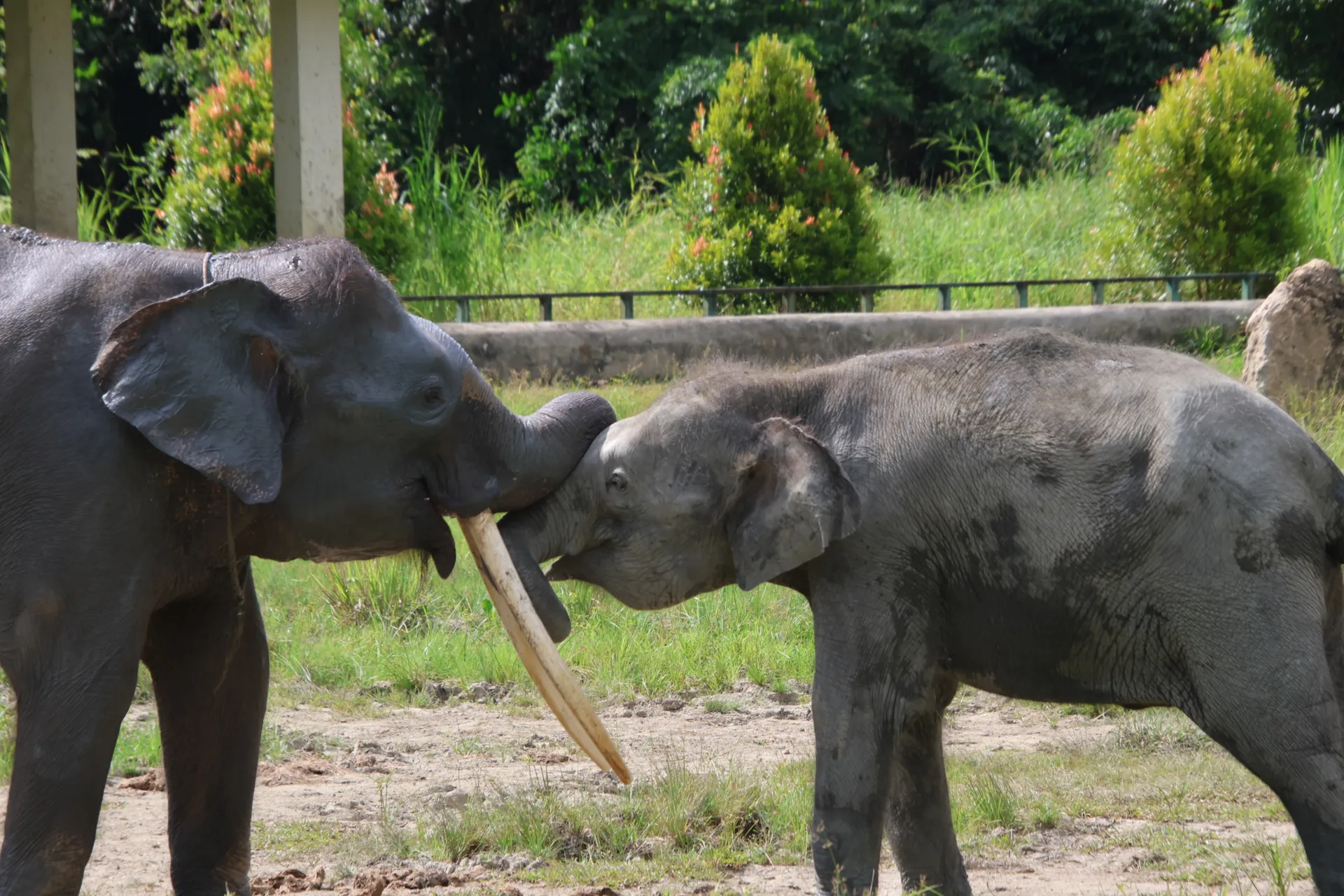
From either Deramakot or Tabin, each group finally arrived at the climax of the tour- the Bornean Elephant Sanctuary. I had visited the Sanctuary on my scouting visit and I knew that we were the first volunteers to be allowed to participate there but I definitely didn't understand the full scale and impact of what were doing. BES was opened to house wild Bornean Pygmy elephants who are largely displaced due to logging or forced removal from Oil Palm plantations. They've been housed here for almost 15 years and while the intention was originally to turn this into a Sanctuary where the elephants could live out their days and visitors could come to learn more about them and watch them in their open environment, the plans stalled. Only one group of local children has been to the Sanctuary in all that time and the keepers and mahouts live on site and basically have little outside contact. So for us to arrive, all full of the joys of spring was a huge step for everyone involved. The team were a little shy in April but by May time they were much more used to a group of white people digging in the mud, cleaning elephant poop and chopping food. We were truly trailblazers here and our presence was critical to the future management of the Sanctuary. The processes for any future volunteers will be modelled on our work and indeed the future of these elephants is largely tied to how volunteering can work there. I've instituted a one traveller- one tree initiative now on the EVA trips so there are currently 20 banana trees planted by us and thriving there. It's a truly heartwarming feeling to know that you are making a substantial difference in this world of elephant conservation.
After BES, we went on to the Wildlife Corridor of Kinabatangan. This is now a UNESCO Biosphere reserve and protects a remarkable mosaic of tropical ecosystems, including lowland dipterocarp forests, peat swamps, mangroves, heath forests, ultramafic forests, limestone forests, and extensive wetlands. It harbors 127 species of mammals, 315 species of birds, 100 reptiles, and 33 amphibians, of which 64 are globally threatened. Notable species include the Bornean orangutan (Pongo pygmaeus), Bornean pygmy elephant (Elephas maximus borneensis), proboscis monkey (Nasalis larvatus), sun bear (Helarctos malayanus), and clouded leopard (Neofelis nebulosa). The area is recognized as one of the world’s most important strongholds for riverine biodiversity. We took dawn river cruises, afternoon river cruises, night walks and night cruises. We never got to see sun bears in the wild nor clouded leopards, but we enjoyed so much else. Between our boat guide Awong and our tour leader John, we got to see everything it was possible to see. Including hornbills- have I mentioned hornbills! They're so noisy and so majestic, its breathtaking to watch them.
And then it starts to wind down. A visit to the Proboscis monkey sanctuary, the orangutan sanctuary and the sun bear sanctuary topped off by a visit to the Rainforest Discovery Centre in Sepilok and a night time canopy walk to see the flying foxes and flying squirrels. There's so much more I haven't mentioned but I only hope I have done justice to our EVA Travel first tours of Borneo. I haven't mentioned the food, the dancing, the fun, the city tour of Sandakan, the tea plantation or the portable fridge that the guys carried for us everywhere to keep the milk cold. Well it was meant for milk, but somehow it kept getting filled up with beer. And with all EVA tours, it's the people who make it special- the guests who contribute so much to making it wonderful, Albert and John as well as the other drivers and guides our homestay hosts and just generally everyone you meet in Sabah. There's always a welcome and a smile, just a great place to visit.