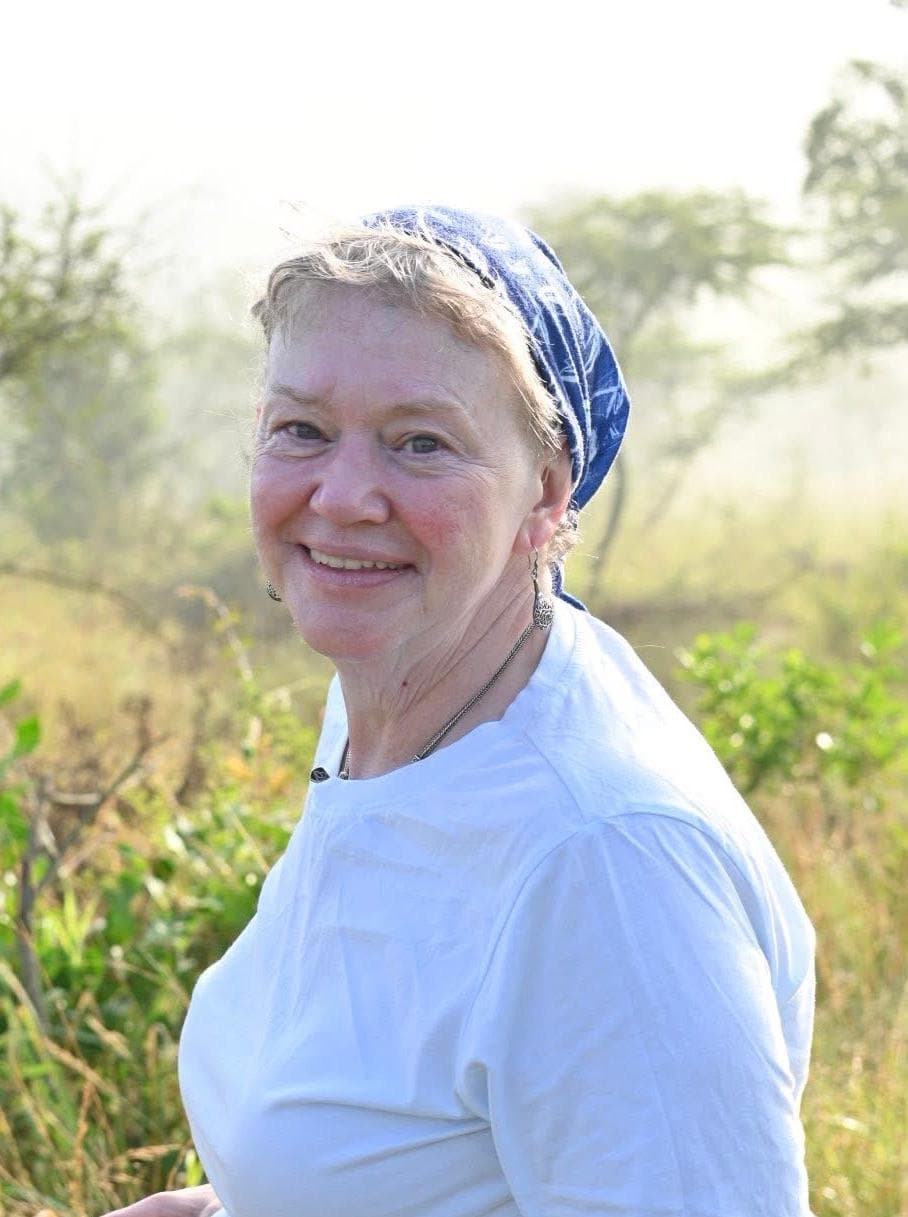
Volunteer Travel After 50: What's It Really Like?
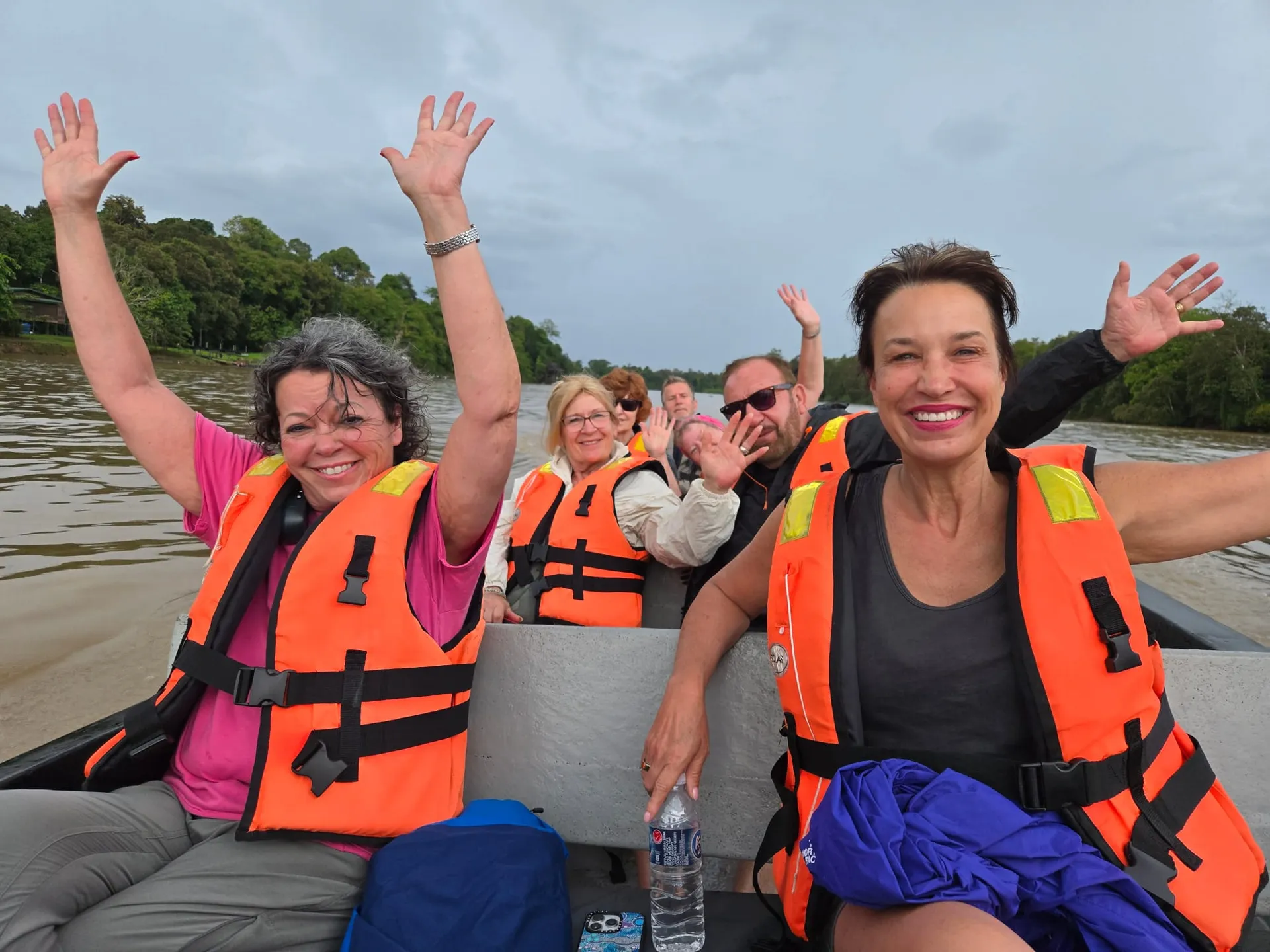
If I had a pound for every time someone asked me this question, EVA would have its Charitable Foundation up and running by now. It comes in all sorts of disguises. Will I be any use? Is it all very hard work? Am I too old for this? Will I get a proper bed? And my own personal favourite, usually whispered at the end of a phone call: Sheila, what is it really like?
So I thought it was time to answer it properly. Not the glossy brochure version (we have a website for that) but the honest one, from someone who has done a fair bit of it now.
A bit of background first for anyone new here. I did my first give-back tour in 2018, and I was not what you'd call a natural traveller. I hate flying. I like a hot bath and a walk with the dogs. And yet here I am, having accidentally set up a travel business at 65, when I was supposed to be settling into an armchair with my knitting needles. So if you're wondering whether this kind of travel is only for the fearless, let me reassure you. It really isn't.
First, a little confession about the word "volunteer"
The V in EVA stands for volunteering, and I'll stand by it. But I want to be honest about what it means on our trips, because it's probably not what you picture.
You won't be flying halfway round the world to do a job a local person could be paid to do. You won't be cuddling orphans for a week and then disappearing out of their lives. And you won't be riding elephants or posing with sedated tigers, however lovely the photo would look on Facebook. Those are the things that give volunteer travel a bad name, and quite rightly too. And most of the regular volunteer projects that are available are for longer periods of time, which is also quite right, particularly in some of the more intensive types of volunteering,
What we do is better described as give-back. Every project is designed and led by local people who know exactly what their community needs. Our partners on the ground decide what gets done, and we turn up, roll our sleeves up and follow their lead. Some days that's physical work. Some days it's simply sitting down, sharing a meal orma game and listening. Both matter more than you'd think.
I learned the hard way how much this matters. When the company I first travelled with collapsed in 2022, I spent months helping people get their money back. It taught me that doing good has to be done properly, with local operators who are treated fairly and paid fairly. That's the backbone of every EVA trip.
So what do you actually do all day?
Let me walk you through our Tanzania trip, because it's a good example of the mix.
On your first full day you'll be welcomed into Mkuu village, cooking with the Chagga women, learning songs and mangling your first few words of Swahili. Nobody minds. The laughter is half the point.
The next day starts at a coffee farm in Materuni, where you'll roast and grind the beans yourself, dancing and singing along the way. Then it's off to a tree nursery at the foot of Kilimanjaro. You'll be digging holes for trees then planting them under the watchful eye of Tanzanian native and Forestry expert Filipina Richard, all part of our One Traveller, One Tree promise. It's a bit rocky and bumpy, but you're out there in the foothills of Mount Kilimanjaro doing something quite unique. The trees are a mixture of those that provide fruit and shade and all picked for purpose.
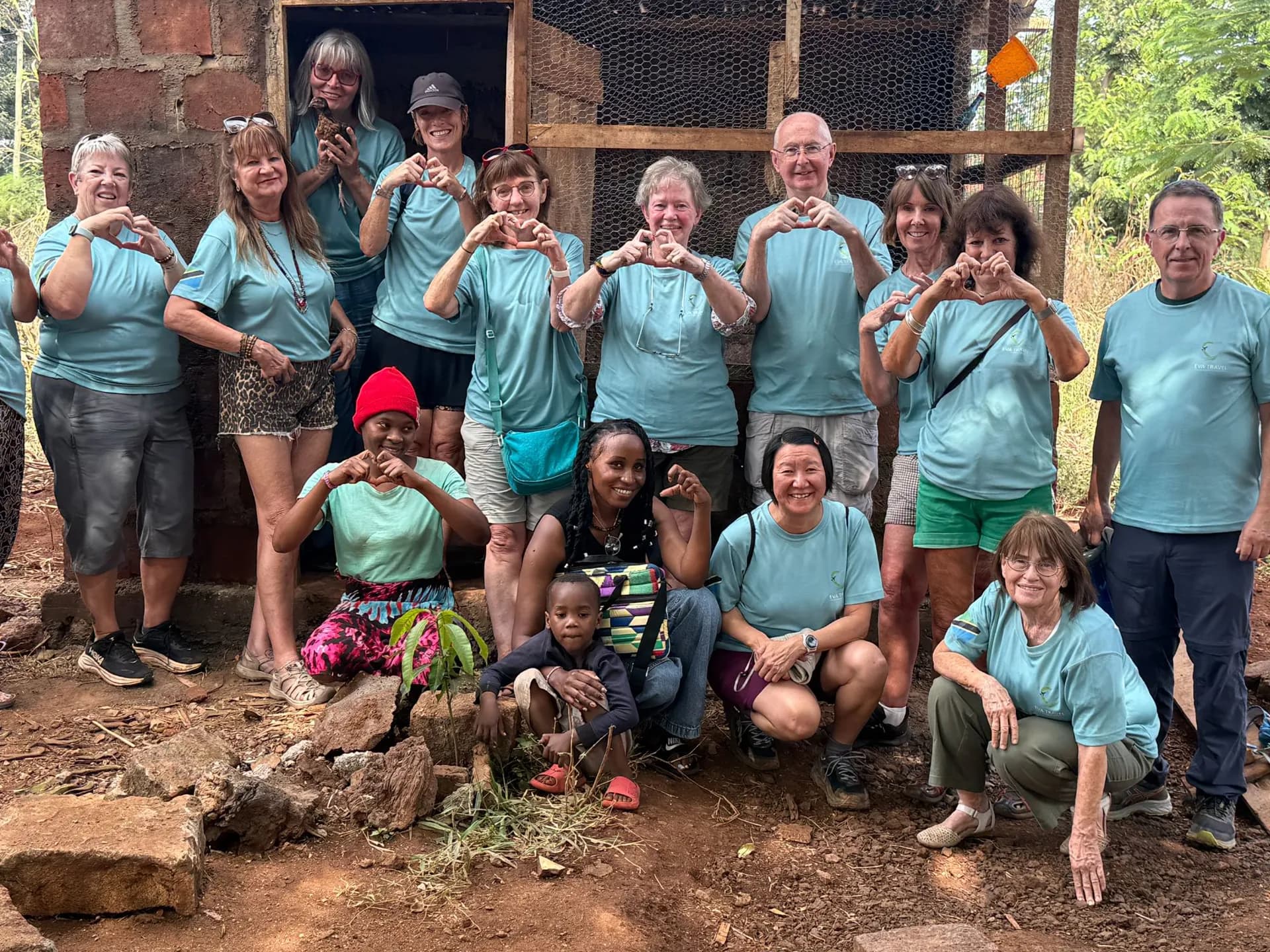
Then comes the bit people remember most. Working alongside local builders and the Go Vision NGO, the group spends three days building a chicken coop for a kinship family, relatives who have taken in children who can't live with their own parents. On other occasions it might be a volnerable family which has been identified by the Outrech workers for the Bright Futures NGO. On the third day you hand over the finished coop and a set of healthy chickens. It sounds like a small thing but watch that family's faces and you'll realise it isn't. It means eggs, a little income and a bit of security for the children.
And then? Then you go on safari for five days, look for the Big 5 and their companions in the Serengeti, and dine under the stars. I think that's a fair balance, don't you?
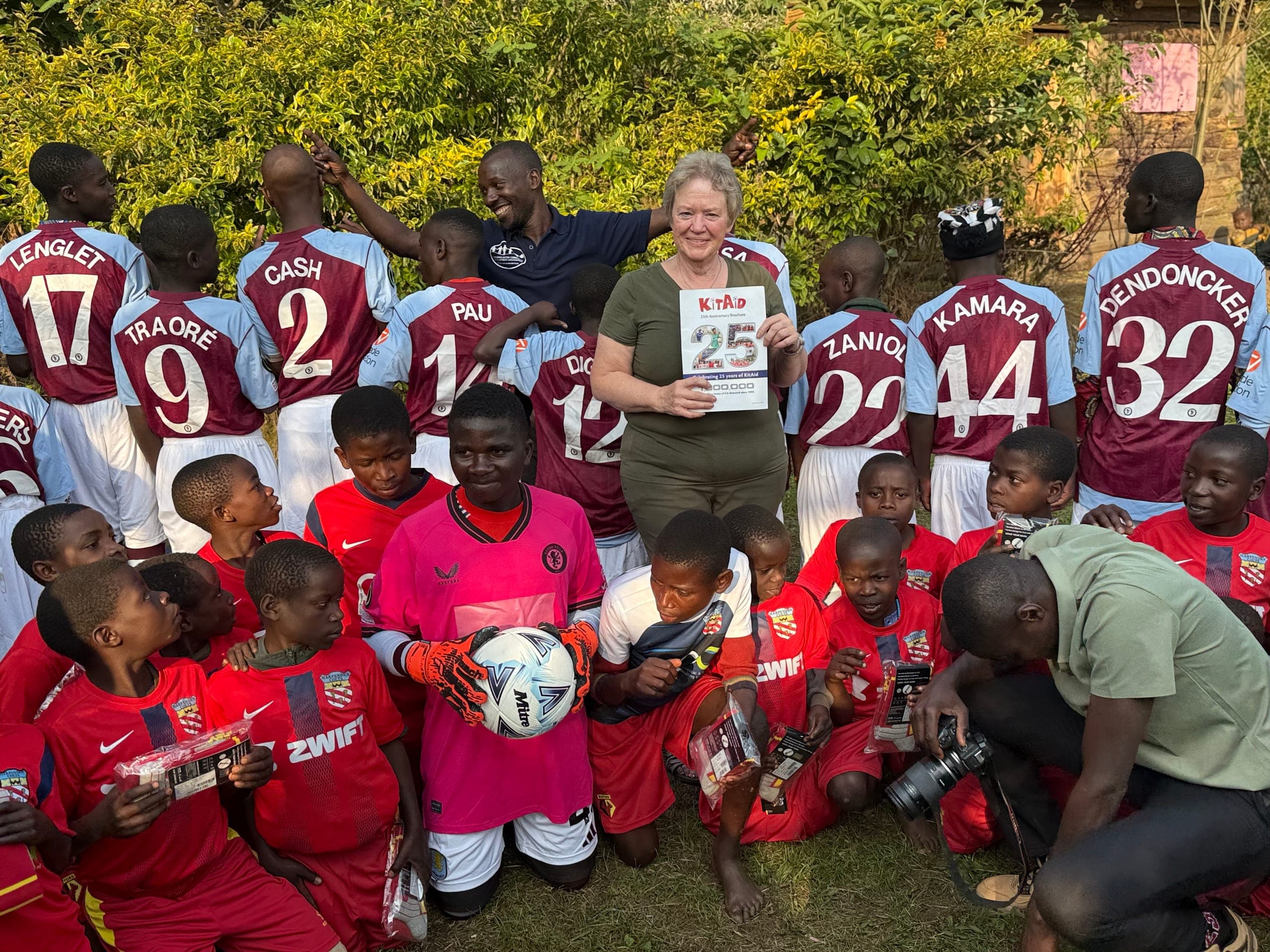
Every destination has its own flavour. In Cambodia, I found my way to Metta Karuna in Siem Reap, where Reth, who lost both legs to a landmine, designs and builds wheelchairs for other survivors. In Uganda I once hauled a suitcase of football kit to the Batwa community in Bwindi. The work changes from place to place, but the idea never does: you give a little, and you get to know the people you're giving it to.
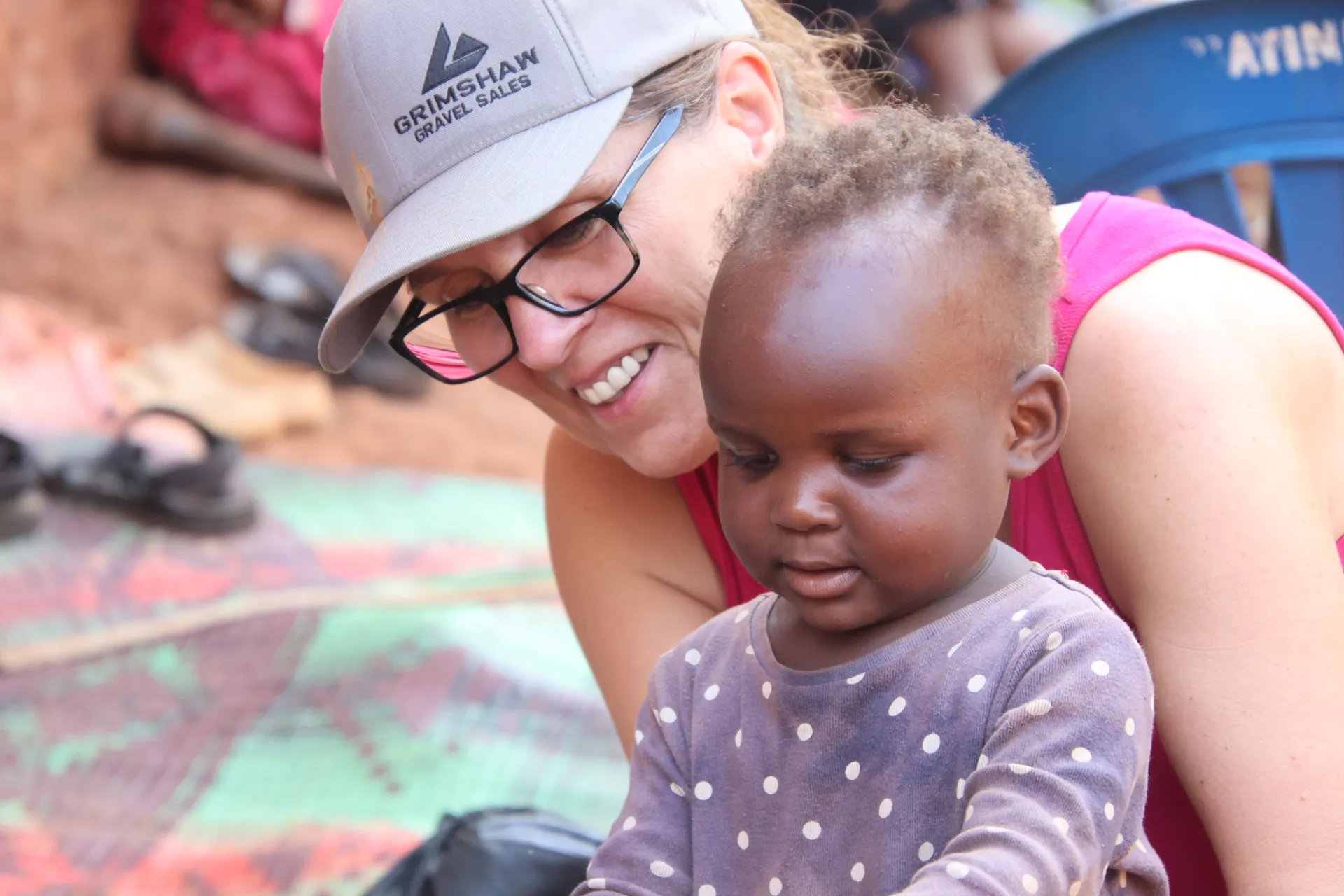
"But will I be able to keep up?"
This is the big one, isn't it? Nobody wants to be the one holding the group back or feel useless.
Here's the truth. You don't need to be a strongman/woman. You need to be reasonably mobile, willing to have a go, and sensible enough to sit down when you've had enough. Nobody is timing you. If your shoulders have views about mixing cement by hand all morning, there's always a job that can be done standing up, or sitting on an upturned bucket with a cup of tea. Everyone contributes in their own way, and every bit counts.
We pace things for people who have lived a bit. There are rest days built in (in Tanzania you get a whole day by the pool in Moshi to wash the safari dust off). The heat can be a lot in some places, so the physical work tends to happen in the cooler parts of the day.
If you're worried about a particular health issue, please just ask me before you book. I'd much rather have an honest chat beforehand than have you struggling on the ground. There's no such thing as a silly question and I am more than happy to chat through any concerns anyone may have.
Who will I be travelling with?
Most of our guests arrive on their own. I can't stress this enough, because "I don't know anyone" is the reason so many people nearly don't book. Our groups are small, typically 8 but a maximum of 12 people, so within a day or two you're not strangers any more. By the end of the trip you've usually got a WhatsApp group that refuses to die.
The people who come on these trips tend to share something: curiosity, a sense of humour and a quiet wish to do a bit of good. Some are recently retired and a bit lost without a routine. Some have been widowed and are travelling alone for the first time. Some have been everywhere and want something that feels different. They all get on remarkably well.
I still smile about the Morocco group who liked each other so much they formed a coffee club afterwards. Matt went as our first EVA host and ended up an honorary member. That's the kind of thing that happens.
The bits nobody puts in the brochure
I promised honesty, so here goes.
You will get tired. Not just physically. Meeting new people, new food and new ways of doing things all day long is wonderful, and it's also exhausting. Early nights are allowed.
You may feel a bit useless at first. You'll watch a local builder do in five minutes what takes you half an hour. That's fine. You're not there to be the expert. You're there to help and to learn.
It can be emotional. Hearing how a landmine changed someone's life, or how a family is managing on very little, stays with you. Some people have a little cry. That's a sign you're paying attention, not a sign it's too much.
Culture shock is real. When I was nine my family moved from New York City to a thatched cottage in rural Ireland with a pump in the yard for water. I thought I'd seen it all. Travel still surprises me.
You will miss home comforts. The Wi-Fi comes and goes. There will be a bumpy road or three. Somewhere around week two I always start dreaming about a proper hot bath, and a plate of bacon and cabbage.
But here's the thing. Every one of those moments ends up in the stories you tell when you get home. Nobody ever tells a story about the time the hotel was perfectly nice.
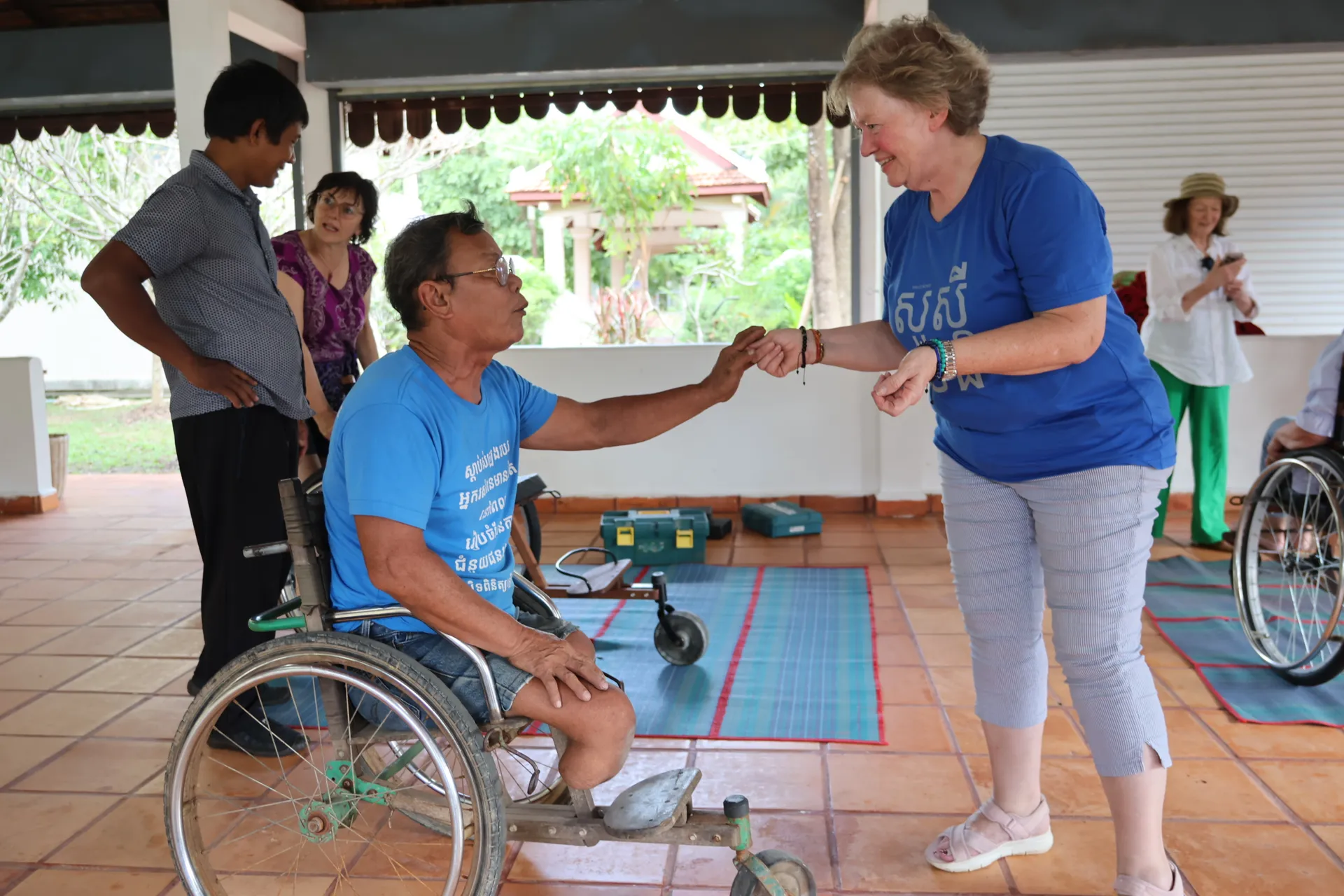
So, what is it really like?
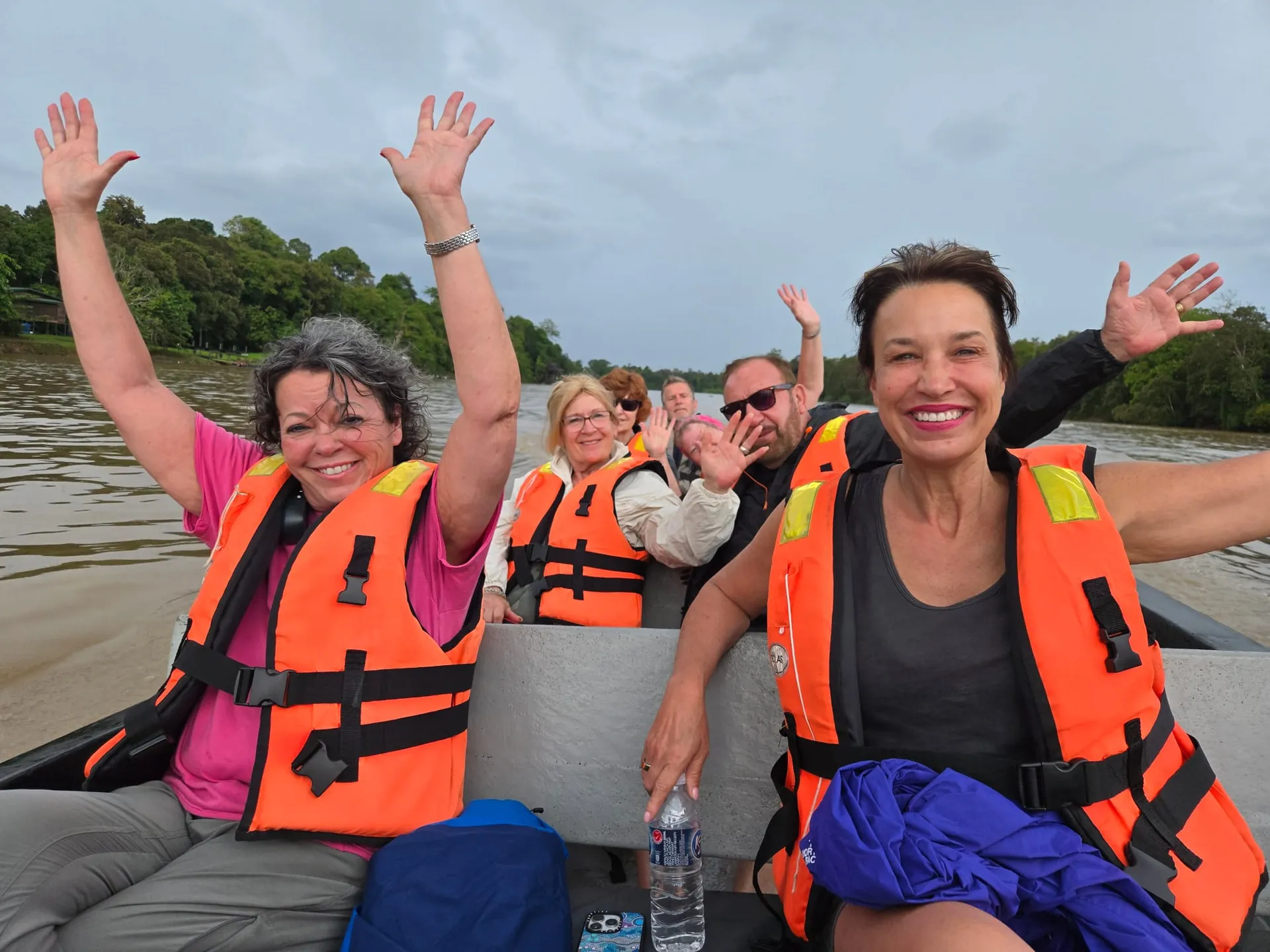
It's like the best holiday you've ever had, with something underneath it that ordinary holidays don't have. You see the sights, of course. Angkor Wat at dawn, the Ngorongoro Crater, an orangutan in Borneo peering down at you as if you're the odd one. But you also meet people you'd never have met on a coach tour, and you leave something behind that's still there after you've flown home. A tree. A chicken coop. A friendship.
I'll be honest, it spoils you a bit. Once you've travelled with purpose, other trips can feel a little flat.
And age? I think being over 50 is exactly the right time to do this. We've got patience, a bit of life experience, and we're not in a rush to prove anything. We make good listeners. Communities notice that.
If you're still on the fence, have a look at our trips or read what past travellers have said in our reviews. And if you have a question I haven't answered here, get in touch. I'm always happy to talk.
Thanks for reading if you got this far. Hopefully we'll see you out in the world one day, giving a little back wherever we go.